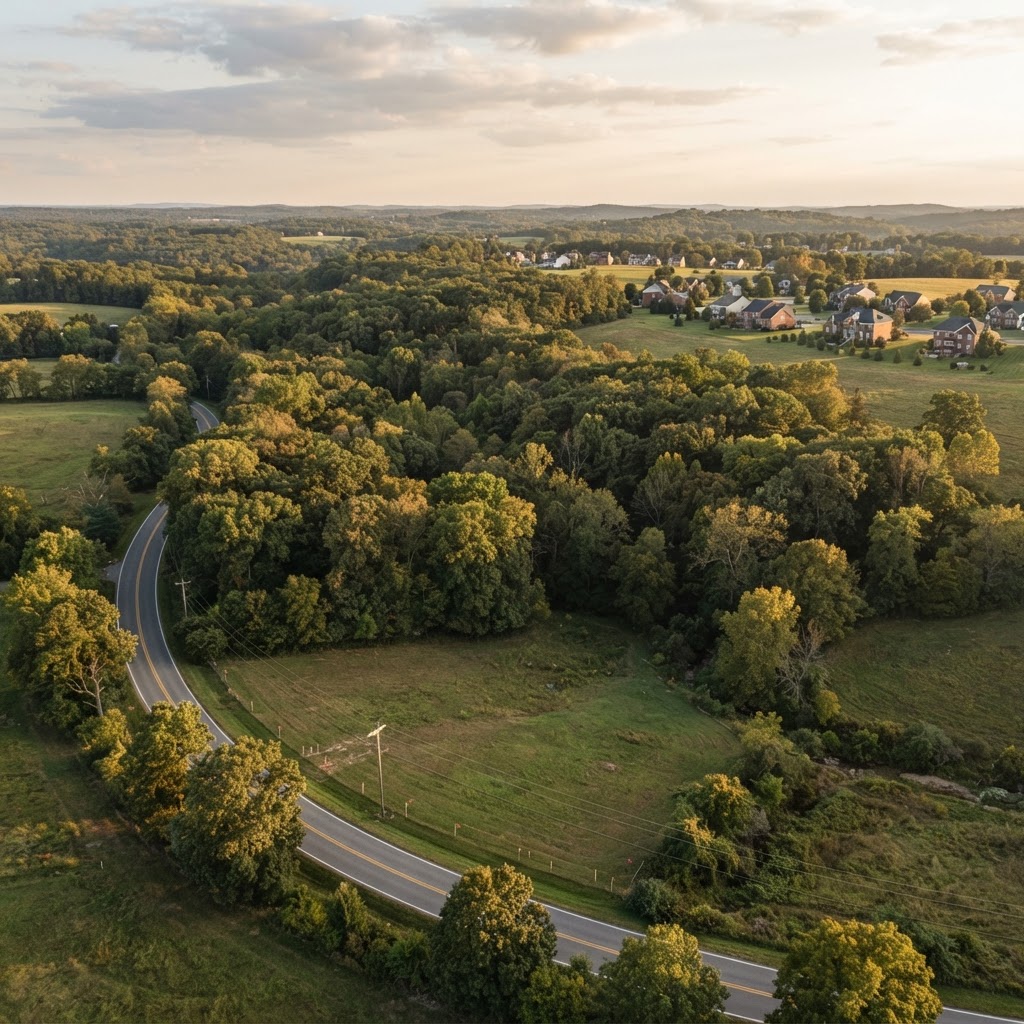
Representative imagery
Land + Development
The land is only
the beginning.
Potential begins with understanding use.
Acreage alone does not determine value.
Land must be understood in the context of zoning, access, utilities, infrastructure, surrounding development, physical constraints and the objective behind the acquisition.
The question is not simply: how much land is there? The better question is: what can realistically be done with it?
Land Representation
Acreage doesn’t equal potential.
Two parcels of the same size can have completely different value.
One may have:
- Utility access
- Road frontage
- Favorable zoning
- Development pressure
- Future infrastructure
Another may face environmental constraints, access limitations, topography, easements, utility challenges or limited permitted use.
Land should be evaluated by what exists, what is allowed and what may realistically be possible.
The First Question
What is the land supposed to do?
01
Hold
Long-term ownership while the surrounding market evolves.
02
Build
Residential, commercial or mixed-use construction.
03
Develop
Subdivision, assemblage or broader redevelopment opportunity.
04
Operate
Property intended to support a business or active use.
05
Invest
Land held as part of a broader investment strategy.
06
Sell
Position an existing parcel for the strongest appropriate buyer pool.
The objective changes the analysis.
Zoning
What you own and what you can do with it are not the same thing.
Zoning affects the types of uses that may be permitted on a property.
Depending on the jurisdiction and parcel, important questions may include:
- Permitted uses
- Density
- Lot coverage
- Setbacks
- Height
- Parking
- Subdivision requirements
- Overlays
- Historic restrictions
- Special exceptions
- Conditional uses
- Future planning designations
Initial real-estate analysis can help identify the questions. Formal zoning interpretation should come from the appropriate jurisdiction and qualified land-use professionals.
Infrastructure
A parcel can look accessible without being ready.
Development potential can depend heavily on infrastructure. Evaluate questions around:
- Road access
- Public water
- Public sewer
- Well
- Septic
- Electric
- Stormwater
- Internet / telecom
- Fire access
- Ingress / egress
Availability should never be assumed. It should be verified with the appropriate providers and jurisdictions.
Infrastructure is often where land theory meets development reality.
The Site
The map doesn’t tell the whole story.
Potential considerations may include:
- Topography
- Wetlands
- Floodplain
- Soil
- Drainage
- Easements
- Rights-of-way
- Tree conservation
- Environmental conditions
- Existing structures
- Access points
- Parcel shape
Many of these questions require surveyors, engineers, environmental professionals and other specialists. Part of good representation is knowing when to bring them in.
The Region
Development follows
more than
property lines.
Transportation, public investment, employment centers, housing demand, infrastructure and planning decisions can all shape where development pressure emerges.
From DMV Intelligence
- RFK Is More Than a Stadium Story
- The Purple Line Is Getting Real
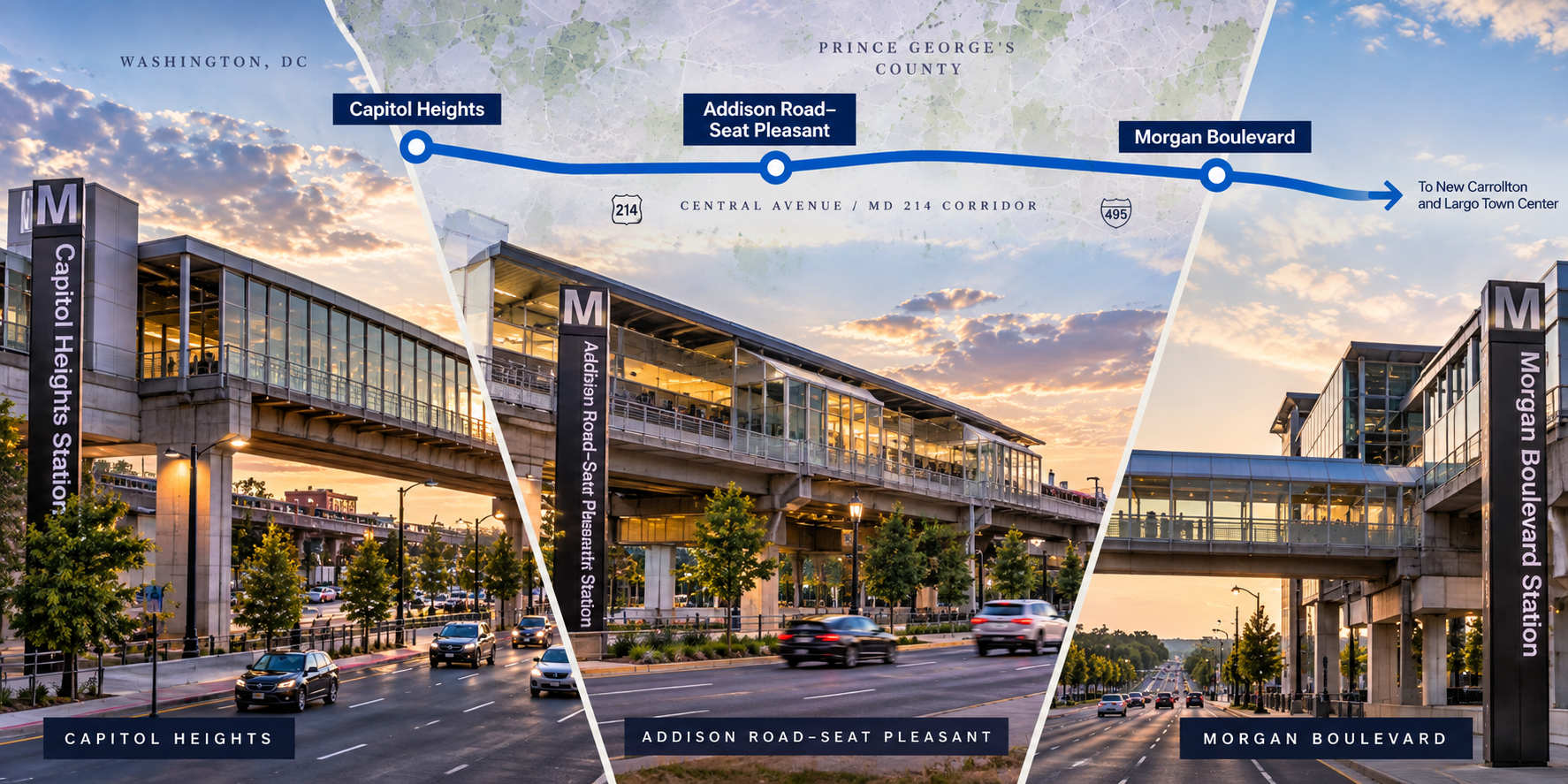
- The Blue Line Corridor Is a Real Estate Story Worth Watching
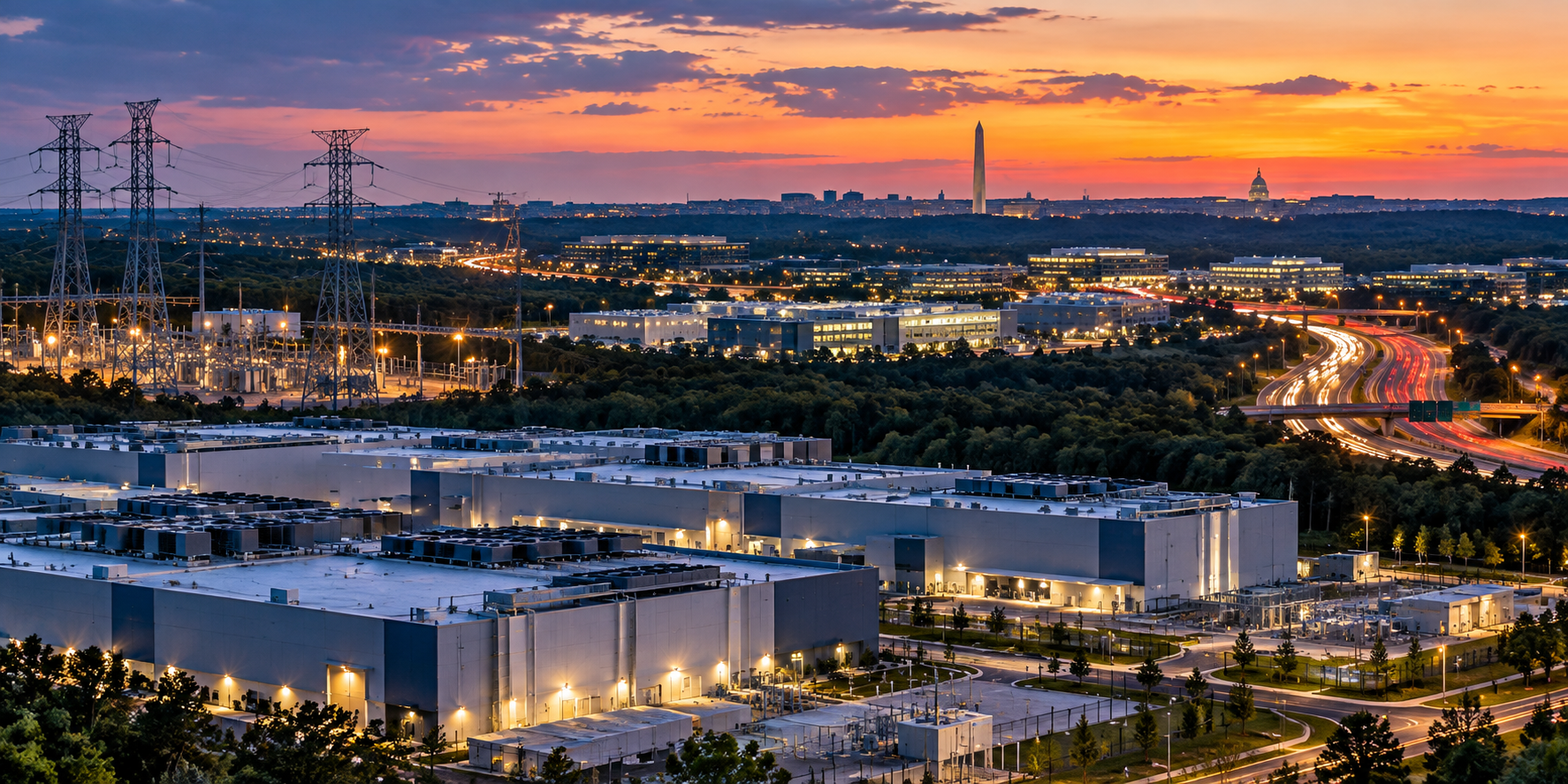
- Data Centers Are Changing the Land Conversation
Regional momentum can create opportunity.
It does not eliminate property-specific risk.
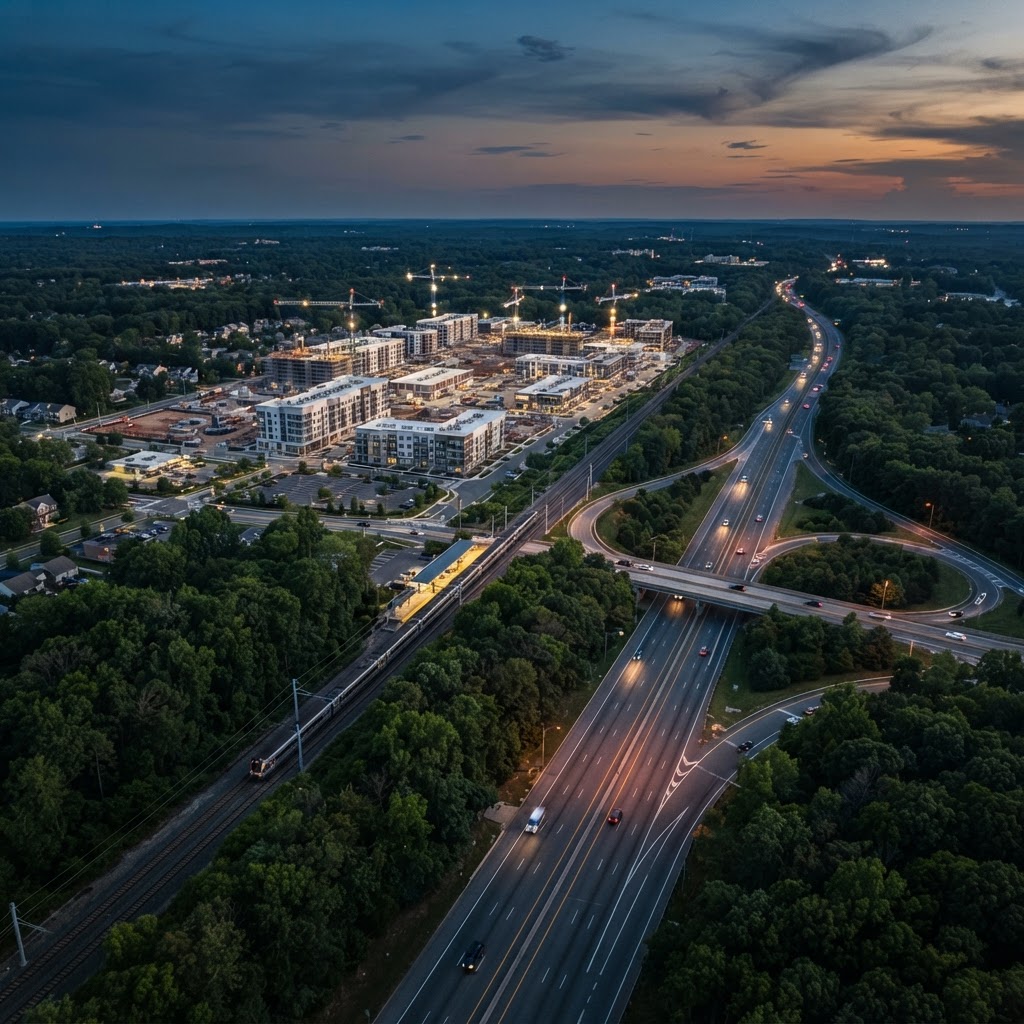 Parcel · Corridor · ContextRepresentative imagery
Infrastructure
When connections change,
land can change
with them.
Areas evolve as connections change. Shifts in any of these can influence how a corridor is used, who wants to be there and what may eventually be built:
- Roads
- Transit
- Public infrastructure
- Utilities
- Employment centers
- Sports / entertainment districts
- Commercial investment
Infrastructure can influence context. It does not guarantee land value, and timelines for public projects can change.
From Land to Project
Development is a sequence of questions.
01
Objective
Define intended use.
02
Site Review
Understand the parcel and surroundings.
03
Zoning
Identify the existing land-use framework.
04
Infrastructure
Review access and utility conditions.
05
Feasibility
Engage appropriate technical professionals.
06
Entitlement
Determine whether approvals or land-use changes may be required.
07
Economics
Evaluate acquisition and development assumptions.
08
Execution
Move forward only after risk and feasibility are understood.
Assemblage
Sometimes the opportunity is bigger than one parcel.
Some development strategies involve multiple adjacent parcels. That introduces additional considerations around:
- Ownership
- Timing
- Seller coordination
- Valuation
- Access
- Parcel configuration
- Negotiation
Each parcel is still its own transaction, with its own owner, its own questions and its own diligence.
Seller Representation
Land should not be marketed like a house.
A land buyer often wants different information than a residential buyer. Depending on the parcel, positioning may require:
- Zoning context
- Parcel maps
- Frontage
- Acreage
- Surrounding development
- Utility information
- Permitted use
- Planning context
- Access
- Development narrative
The goal is not to exaggerate potential.
The goal is to make the property understandable.
Buyer Representation
Buy the land you actually need.
Land buyers can easily overpay for acreage that does not support their intended use. Before committing, evaluate:
- What do you want to build?
- What approvals may be necessary?
- What infrastructure exists?
- What specialists need to be involved?
- What physical constraints exist?
- What does the timeline realistically look like?
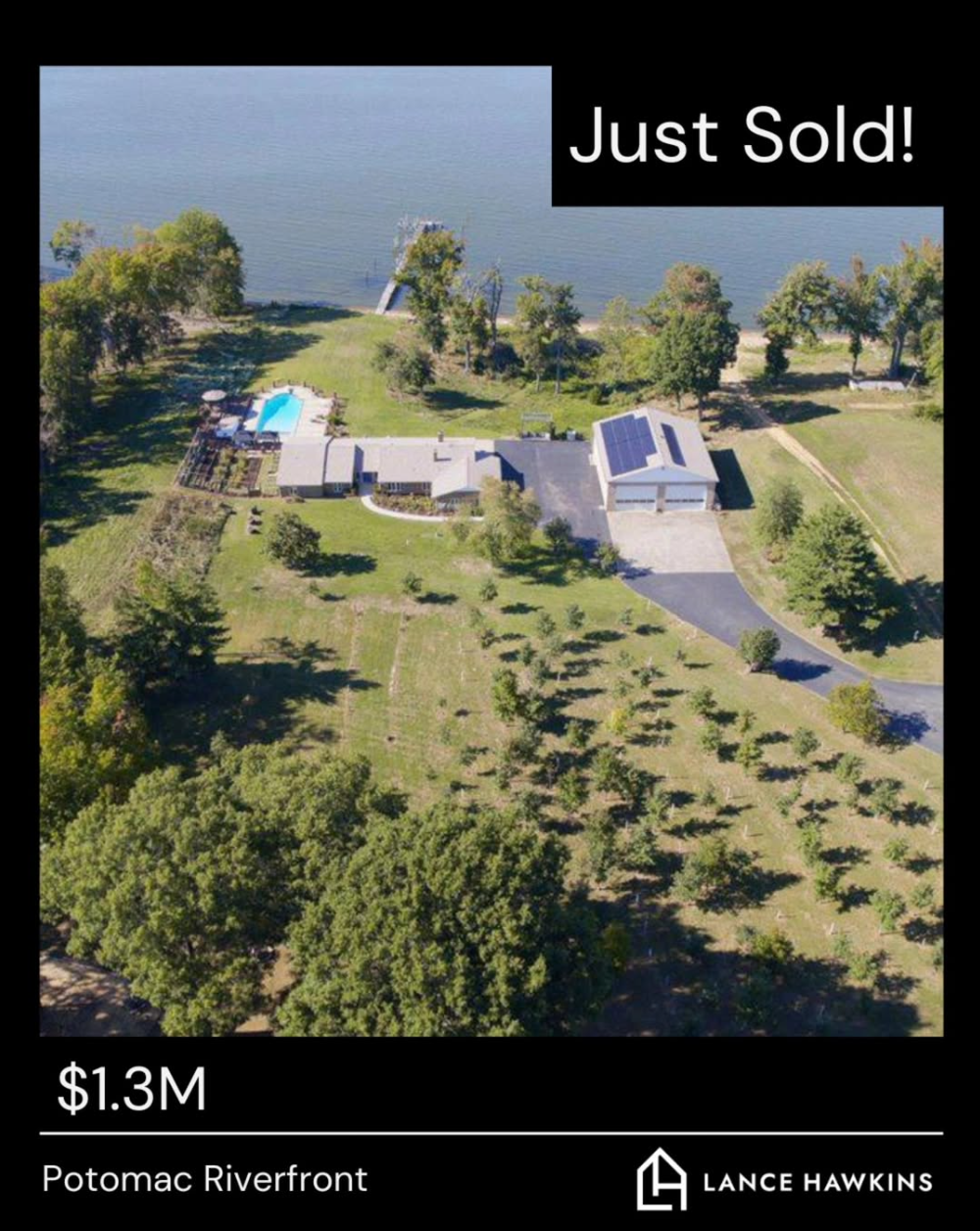
1555 Ben Doane Rd · Indian Head, Maryland
Complex Property
More land. More questions.
Not a development transaction, but a property with more moving parts than a conventional residential lot: acreage, Potomac frontage, dock access and substantial auxiliary structures.
Lance represented the buyer in evaluating and acquiring it.
- 6.58 Acres
- Potomac Waterfront
- Buyer Represented
8012 Holly Ln
Clinton, Maryland
- Land
- Seller Represented
The Right Team
Land often requires
more than a Realtor.
Lance’s role is real-estate representation, transaction strategy and coordination. Specialized determinations should come from appropriately qualified professionals. Depending on the property, that team may include:
DMV Development
What happens around
the property matters.

Discipline
Potential is not the same as permission.
A property may appear to have development upside.
That does not mean the intended use is permitted, feasible or economically sound.
The appropriate diligence should happen before the investment case is treated as fact.
The objective is not to buy more land. It is to understand what the land can realistically support.
Questions
Land + development
FAQ.
General educational information only. Not legal, engineering, environmental or zoning advice.
The Next Question
What could this
property become?
Before land becomes a project, an investment or a future opportunity, it needs to be understood.
Let’s start with the property, the objective and the questions that need answers.
Land Consultation